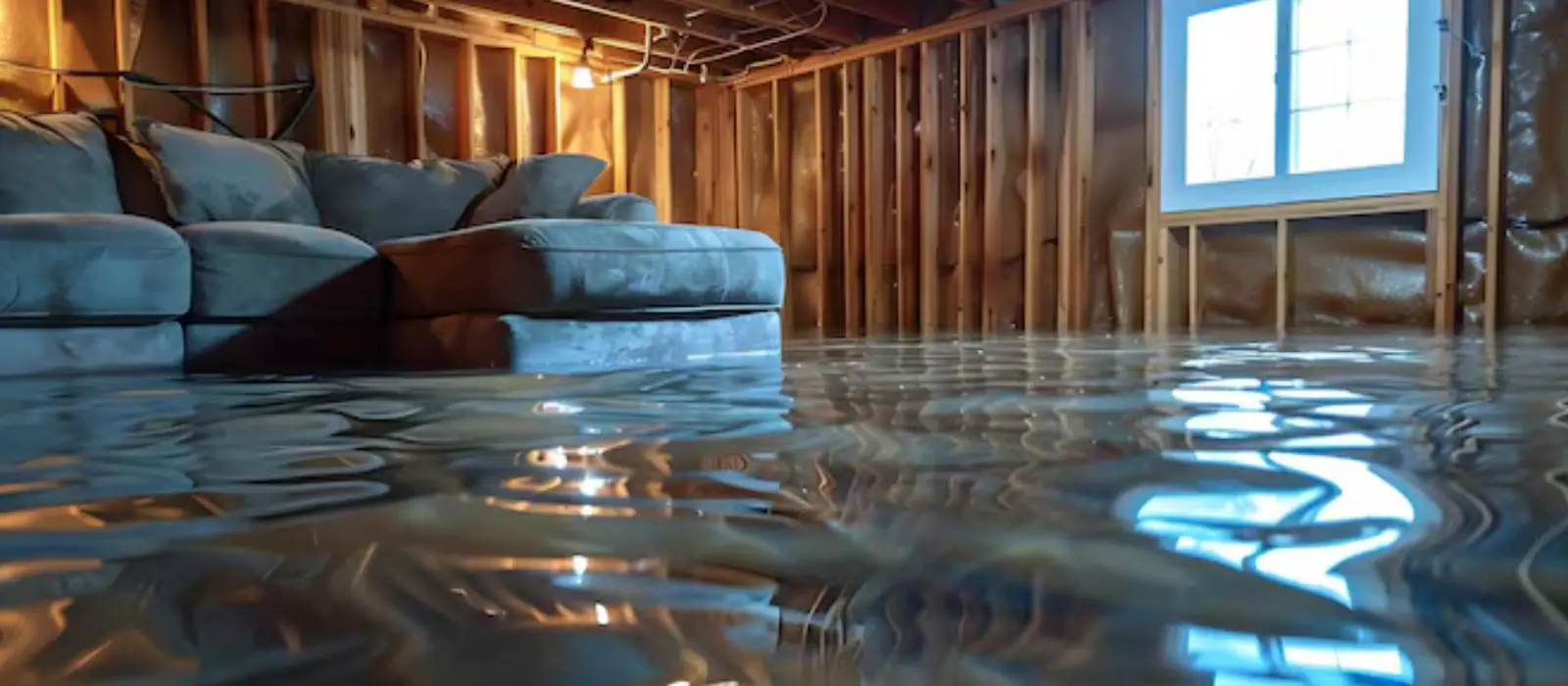
Safety comes before extraction
Do not wade into a flooded basement until you know what is plugged in down there. Water that reaches outlets, a furnace, a panel or a freezer can energize the whole puddle. Cut power only if the panel is in a dry spot you can reach without stepping in water.
If you smell gas or see sparks, leave and call 911 or the utility before you call a restoration line. We will not ask you to put yourself at risk, and no pro can promise an arrival time during a storm.
Category 1, 2 and 3 water decide the plan
The ANSI/IICRC S500 standard groups water by how contaminated it is. The category sets what can be dried in place and what must be thrown out. Ask whoever you call whether their crews work to it.
| Category | Typical source | What it means for cleanup |
|---|---|---|
| 1 | Broken supply line, tub overflow | Dry in place if caught quickly |
| 2 | Washing machine discharge, many sump failures | Remove soaked carpet and padding, clean surfaces |
| 3 | Sewage, rising flood water, river water | Remove porous materials, clean and sanitize |
Category can worsen with time. A clean-looking Category 1 leak left sitting for days can be treated as Category 2 once it picks up soil and bacteria. Groundwater coming through a foundation is often handled as Category 2 or 3 because of what it touches on the way in.
What a professional crew does, step by step
- Assess the area, find the source and test materials with a moisture meter.
- Photograph the room and the water line for your records.
- Pump or extract standing water with truck-mounted or portable extraction units.
- Move contents to a dry area and pack out items that cannot stay.
- Remove wet carpet, padding and drywall that cannot be saved, usually cutting above the wicking line.
- Clean and treat surfaces according to the water category.
- Set air movers and dehumidifiers, then check readings each day.
- Confirm the materials are dry before anything is rebuilt.
Each step is documented. That record helps your insurer see what happened and helps you compare one crew's work to another's.
Pay attention to step five. Cutting drywall feels drastic, but wet board that stays in place keeps feeding moisture into the framing. A clean cut a foot or two above the water line is cheaper than a second visit.
When the sump pump fails
A sump pump fails for dull reasons. The power goes out, the float sticks, the discharge line freezes, or the pit simply cannot keep up with a heavy storm. The first job afterward is water removal, not a pump swap.
Once the room is dry, a plumber or drainage contractor can test the pump and the battery backup. That repair is separate from restoration, and a good crew will tell you so plainly.
What to move and what to leave alone
- Lift small items, boxes and electronics onto dry shelves or upstairs if the floor is already wet.
- Leave heavy furniture where it sits, since the crew will move it with proper lifting gear.
- Do not run a household vacuum on standing water.
- Set aside photos and papers in a dry bag for a specialist to look at.
- Do not use a space heater near wet materials.
A realistic drying timeline
| Stage | Usual timing | What happens |
|---|---|---|
| Extraction | Hours | Standing water removed, contents moved |
| Tear-out | Day 1 | Unsalvageable materials cut out and bagged |
| Active drying | Days 2 to 5 | Air movers and dehumidifiers run, readings checked daily |
| Clearance | Final visit | Readings compared to dry reference values |
Those days vary with the size of the space, the water category and the weather. The real schedule comes from daily readings. Pulling equipment early is the most common way a basement ends up wet again inside the walls.
A basement is slow to dry for a reason. Concrete is dense and sits against cool ground, and a below-grade room has little natural airflow. Expect a dehumidifier to run harder here than in an upstairs bedroom, and expect the humidity target to be tested by the first damp day afterward.
Cleanup does not end when the machines leave. A final walk-through with the readings in hand tells you which surfaces can be rebuilt. Larger repairs after that point fall under water damage repair.
Questions to ask before you hire
Ask who will be on site, what equipment they will bring, and how they will document readings. Ask for the plan in writing. If a company will not put it on paper, keep calling.
If mold is already visible, say so on the first call. Mold work follows the S520 standard and is a separate scope, which you can read about under mold remediation.
Water in the basement right now?
Call the 24/7 line and tell us what you see. Same-day response is offered when available.
Mashpee note: road flooding, flood zones and your basement
The town hazard plan records that thunderstorms on September 3, 2013 flooded the Mashpee Rotary and parts of Route 28 and Route 151. That was road flooding, and the plan does not say basements flooded. The practical point is access. If the roads you use are underwater, plan for a delay in getting help and keep a bag of essentials ready.
To learn whether your property sits in a Special Flood Hazard Area, call the town GIS Department at 508-539-1400, extension 8499. The town map carries FEMA flood map layers showing AE and VE zones. If you live in a zone, ask the Building Department about your Elevation Certificate before you plan any repair below grade.
Neighbors in Marstons Mills and East Falmouth face their own flood maps, so check the address you actually own, not the one nearby.
Water or mold in your home right now? Call the 24/7 line: (508) 446-9244
Questions Mashpee Homeowners Ask
Can I clean a flooded basement myself?
Small Category 1 leaks can be handled by a careful homeowner with a wet vacuum and fans. Anything involving sewage, rising water or wet drywall is safer with trained crews and proper protective gear.
Is basement flood water dangerous to touch?
It can be. Floodwater and sewage can carry contaminants, so wear boots, gloves and eye protection, and keep children and pets out. Questions about your health belong with a physician.
How soon should cleanup start?
As soon as it is safe. The EPA mold guide says wet materials dried within 24 to 48 hours usually will not grow mold. Every hour of delay shrinks your options.
Will my sump pump failure be handled by the same crew?
Water removal and drying are restoration work. Replacing or testing the pump is a plumbing or drainage job, usually done by a different trade after the basement is dry.
How do I find out if my Mashpee property is in a flood zone?
Call the town GIS Department at 508-539-1400, extension 8499. The department can check whether your property falls inside a Special Flood Hazard Area.