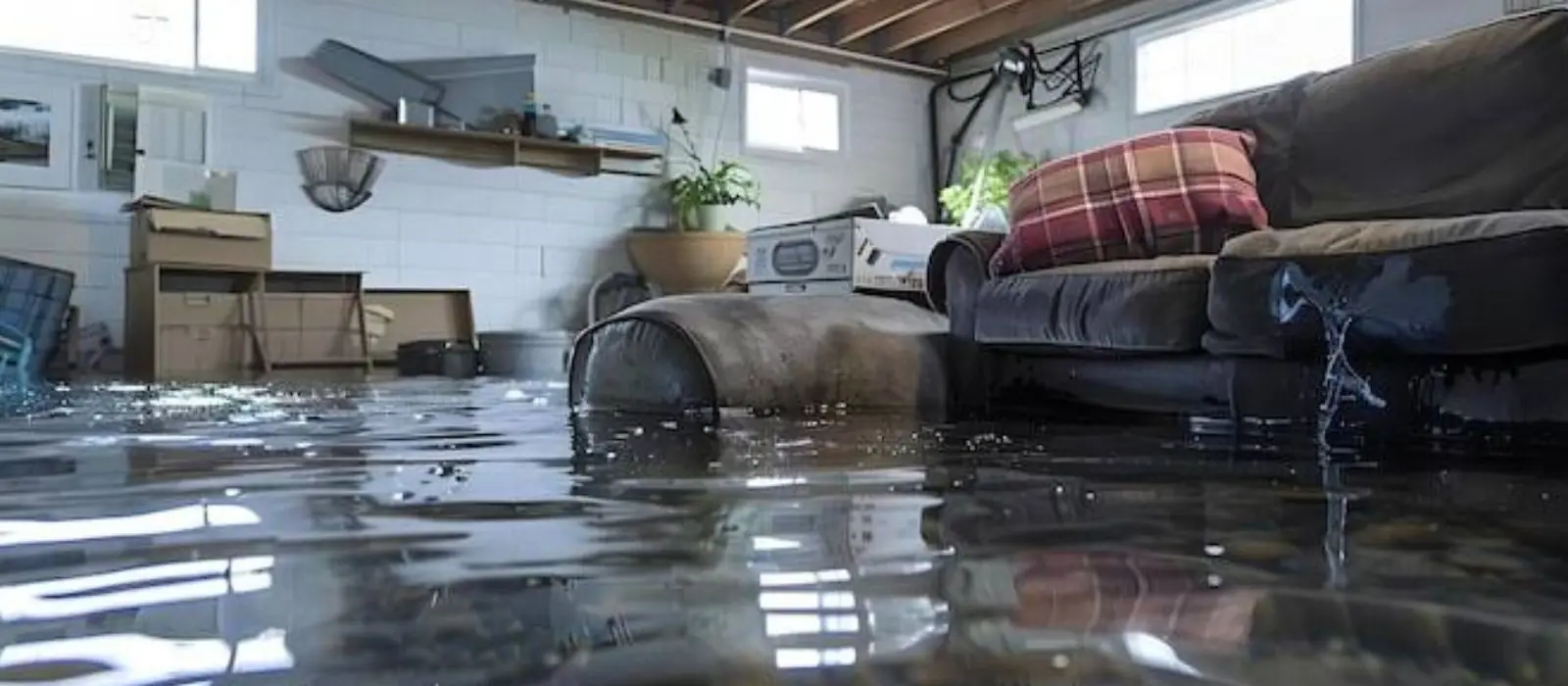
Flood Damage Restoration in Mashpee: A Different Kind of Loss
Flood damage restoration in Mashpee deals with water that came from outside the plumbing system: coastal storm surge, heavy rain and rising groundwater. That water is treated as contaminated under the ANSI/IICRC S500 standard, which changes what can be dried and what has to be removed.
If your home is flooding now, get everyone out of rooms where water touches outlets or appliances, and do not wade through standing water near the panel. If any electrical or gas risk exists, call the utility or 911 first, then call the 24/7 line.
Floodwater is not clean water
Do not use household fans, vacuums or cleaners on floodwater. Photograph the water line on walls and call before you start removing anything.
What Flooding Looks Like in Mashpee
Mashpee sits between Waquoit Bay and Popponesset Bay on the south shore of Cape Cod, with Nantucket Sound to the south. The town's hazard plan depicts areas of Mashpee in FEMA V and A flood zones and records a history of coastal flooding.
Hurricane Carol in 1954 caused flooding along Shore Drive. Hurricane Bob on August 19, 1991 flooded the causeway near Amy Brown Road, and the National Weather Service recorded a Bob surge of 12 to 15 feet at Mashpee. The June 7, 2006 coastal storm flooded a child care center and forced evacuations, and on September 3, 2013 thunderstorms flooded the Mashpee Rotary, Route 28 and Route 151.
These records are why coastal and low-lying properties should know their flood zone before a storm, not after. The town GIS Department, at 508-539-1400 extension 8499, can tell you whether a property is in a Special Flood Hazard Area, and the Building Department keeps Elevation Certificates for properties that have one.
Flood Zones, FEMA Maps and Your Property
Fifteen FEMA Flood Insurance Rate Map panels cover Mashpee, and the town's online map shows the AE and VE zones in separate colors. FEMA's own layer merges them as Special Flood Hazard Areas and is updated whenever FEMA changes its flood information, so it is the more current of the two.
Check the FEMA flood map for your address and ask the town if you are unsure. The zone affects insurance, the documentation you will want to keep and the repair rules that may apply after a flood.
How Flood Restoration Works
- Safety first. The crew checks for electrical risk, structural issues and contamination before anyone enters.
- Extraction. Pumps and extraction units remove standing water, working from the lowest point out.
- Removal of contaminated materials. Carpet, pad, insulation and drywall that soaked in floodwater are removed and bagged. They are not dried and reused.
- Cleaning and sanitizing. Remaining hard surfaces and framing are cleaned and treated with an antimicrobial.
- Drying. Air movers and LGR dehumidifiers dry the structure while moisture meters and a thermal imaging camera confirm the readings.
- Documentation. Photos and readings are recorded so your claim file is complete.
Once the structure is dry, water damage repair rebuilds the finishes. If any area stayed wet beyond the first few days, mold remediation checks and treats the moisture and mold that followed.
Basement Flooding Cleanup
Basement flooding is the most common flood job on the Cape. Water arrives from a sump failure, groundwater, a failed drain or storm runoff, and it brings soil and bacteria with it.
In a finished basement the cleanup includes removing carpet, pad, the lower section of drywall and any insulation that touched the water. Concrete floors can be cleaned and dried in place, but stored cardboard, fabrics and furniture usually cannot be saved.
Restoration is not waterproofing. Our work removes damage and dries the structure. If water keeps coming in, you may also need drainage, a sump system or exterior grading, which are different trades.
Sewage Backup Cleanup
Sewage is Category 3 water, the most contaminated category. Stay out of the area, do not run drains and call the line before touching anything.
Mashpee's sewer commission describes a five-phase sewer plan approved by MassDEP in 2015, with groundbreaking for a water resource recovery facility on December 8, 2022 and lateral construction north and south of Route 28. Not every property is connected, and the town says not the whole town will be sewered, so septic problems remain a realistic cause of backups.
Crews remove contaminated porous materials, disinfect hard surfaces and verify drying. Standard homeowners policies often exclude sewer backup unless an endorsement was added, so check your declarations page.
Insurance, Flood Policies and Documentation
The Massachusetts Division of Insurance states that standard homeowners and commercial policies do not cover flood damage. Flood insurance is a separate policy, typically with a 30-day waiting period before coverage starts, and coverage cannot be bought and applied to damage already happening.
If you have a flood policy, report the claim immediately. The Division advises photographing the outside of the building, the damaged belongings and how high the water reached, separating damaged items from undamaged ones for the adjuster and protecting the property from further harm if you safely can.
| Question | Where to look |
|---|---|
| Is my property in a flood zone? | Town GIS Department and the FEMA flood map |
| Do I have flood coverage? | Your policy declarations page, or ask your agent |
| Do I have water backup coverage? | Check for an endorsement on your homeowners policy |
| Can I get a copy of my Elevation Certificate? | Mashpee Building Department |
When a Flood Is an Emergency
It is an emergency when water is still rising, when it has reached outlets or equipment, when sewage is involved or when the home cannot be used. Call the 24/7 line at any hour. We aim for same-day response when available and do not promise an arrival time, because storms limit road access.
While you wait, move valuables upstairs, take photos before cleanup and stay out of contaminated water. Flooding can also affect water service, so ask the Mashpee Water District, which oversees the town water system, if you are unsure whether your water is safe to use.
Flood Restoration Beyond Mashpee
Crews also respond to coastal flooding in East Falmouth, where Waquoit Bay and Menauhant Road have a flood history, and to shoreline streets in Osterville and Cotuit. For first-response pumping, see emergency water removal.
Water or mold in your home right now? Call the 24/7 line: (508) 446-9244
Common Questions
Do you handle flood damage emergencies at night or on weekends in Mashpee?
Yes. Storms rarely wait for business hours, so flood calls are taken at any hour and on weekends. Crews head out for active flooding as soon as one is free, with no exact arrival time promised.
Does homeowners insurance cover flood damage in Massachusetts?
According to the Massachusetts Division of Insurance, standard homeowners policies do not cover flood. Flood insurance is a separate policy. Some policies add a water backup endorsement, so check your declarations page.
Can flooded drywall and carpet be saved?
Generally not. Materials that soaked in floodwater are treated as contaminated, so porous items like carpet, pad, insulation and drywall are removed. Hard surfaces and framing can often be cleaned and dried.
Is flood restoration the same as waterproofing?
No. We clean out and dry what flooding reached. Grading, sump systems and sealing foundations are a different trade, and a repeat flood is a reason to hire a drainage or waterproofing contractor as well.
How do I find out if my Mashpee home is in a flood zone?
Call the town GIS Department at 508-539-1400 extension 8499 or check the FEMA flood map for your address. The Building Department can tell you about Elevation Certificates.