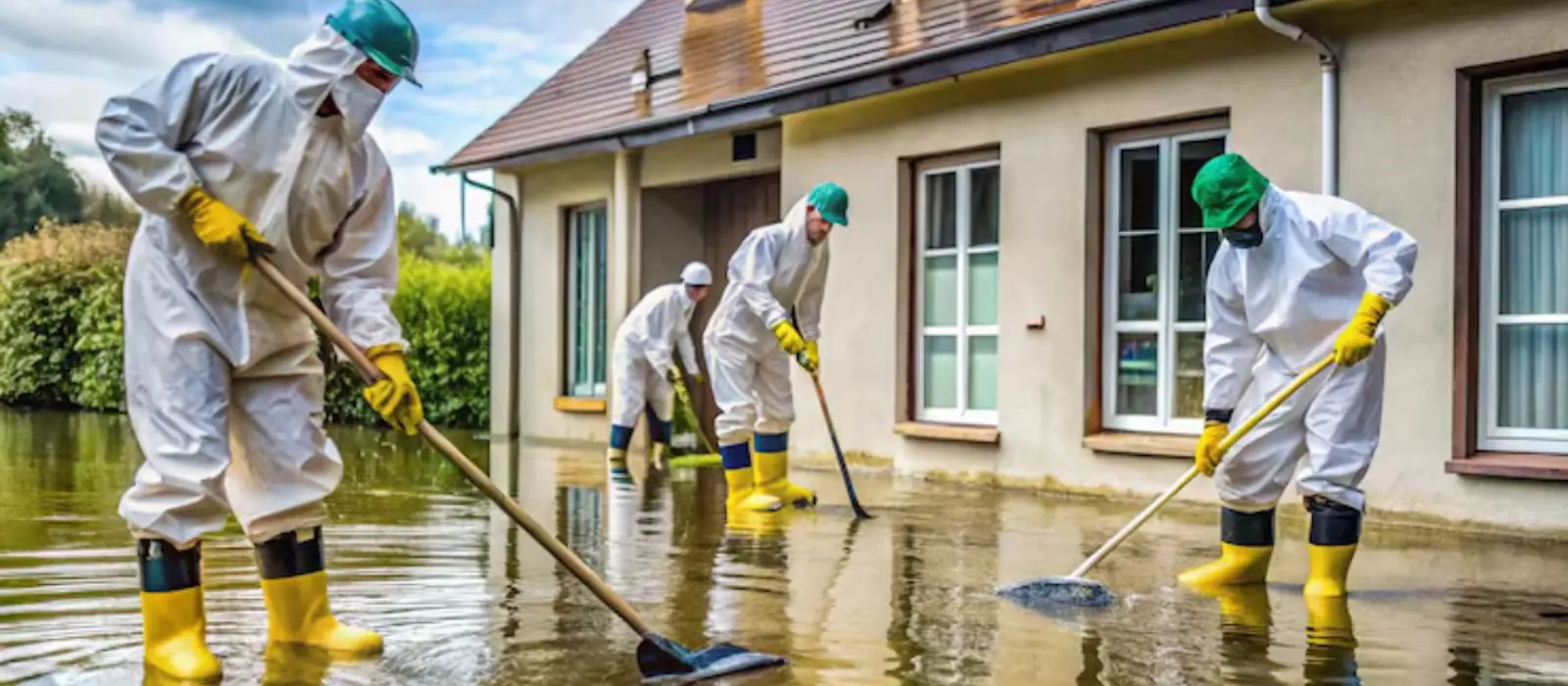
Water Damage Cleanup After the Water Stops
Water damage cleanup in Mashpee starts once the source is stopped. It covers the unglamorous middle of a loss: pulling out soaked carpet pad, removing drywall that cannot be saved, sanitizing what remains and treating odors before anyone rebuilds.
The first 48 hours matter most. Wet materials left in place begin to smell, and the longer they stay wet the more of the house they affect. If you are standing in a wet room right now, keep out of any area where water touches electrical equipment and call the 24/7 line.
Photograph before you throw anything away
Take wide shots and close-ups of damage, labels on ruined items and the water line on walls. Your insurer may ask for them, and a crew can work around what you have documented.
How the Water Category Shapes the Cleanup
Cleanup is not one task. The ANSI/IICRC S500 standard sorts water into three categories, and the category sets what must be removed rather than dried.
| Category | Typical source | Cleanup approach |
|---|---|---|
| Category 1 | Broken supply line, tub overflow with clean water | Extract and dry, salvage most materials if handled quickly |
| Category 2 | Washing machine or dishwasher discharge, some aquarium or sump overflow | Clean and sanitize, remove porous materials such as carpet pad |
| Category 3 | Sewage, rising flood water, long-standing water | Remove porous materials, disinfect, treat as contaminated throughout |
A category can get worse with time. Clean water that sits for days can change category as it picks up contaminants, which is another reason not to wait. Storm and surge flooding is treated as contaminated from the start, as covered under flood damage restoration.
What Cleanup Looks Like Inside a Mashpee House
A cleanup visit begins with a walk through and moisture readings so the crew knows which rooms are actually wet. Then the work moves room by room.
- Remove standing water and wet debris, with contaminated items bagged and kept out of clean areas.
- Remove carpet pad and, when needed, carpet that cannot be cleaned to a safe standard.
- Cut out drywall that is saturated or contaminated, usually a straight cut above the wet line so the new section can be patched cleanly.
- Clean hard surfaces and framing with an antimicrobial cleaner and let them dry.
- Pretreat and clean contents that can be saved, and list the ones that cannot.
- Deodorize with cleaning and drying first, then air filtration if odors remain. Masking a smell with fragrance does not remove its cause.
Cleanup overlaps with water mitigation, and on most jobs the two run together. The difference is the goal: mitigation limits the spread, while cleanup removes what the water left behind.
Sewage and Grey Water: Stay Out First
If the water came from a sewer backup, a failed septic system or floodwater, treat the room as contaminated. Do not walk through it barefoot, do not run a household vacuum and do not try to wash walls with household cleaners.
Mashpee relies on septic systems across much of town while the sewer project continues. The town's sewer commission describes a five-phase plan approved by MassDEP in 2015, with groundbreaking for a new water resource recovery facility in December 2022 and sewer lateral construction along Route 28. If your property is not yet connected, a septic failure is a realistic cause of sewage in a basement or lower level.
A crew handles contaminated water with protective equipment and disposal rules, and removes porous materials that touched it. Call the 24/7 line first and do not start cleanup yourself.
Contents, Furniture and Belongings
Cleanup also means deciding what can be saved. Solid wood furniture, glass, metal and plastic often survive clean water with proper cleaning. Upholstery, mattresses and particleboard furniture usually do not survive a soaking, and anything that touched sewage is discarded.
Before items are removed, photograph them and note what each one was. If a claim is filed, that list is more useful than a general description, and it keeps the cleanup crew from guessing what to keep.
What Affects Cleanup Cost
Cleanup cost depends on what is wet and what the water carried. We explain scope and price before work starts, after a walk through with readings.
- Water category and how long the water sat.
- Affected square footage and number of rooms.
- Material types: carpet, pad, drywall, insulation, flooring, cabinets.
- Amount of debris and contents handling.
- Whether odor treatment or air filtration is needed.
On insurance, the general picture is that sudden and accidental water damage is often covered while gradual leaks and neglect often are not, and flood damage is usually excluded without a separate flood policy. The Massachusetts Division of Insurance advises homeowners to document damage with photos and to protect the property from further harm if they safely can. Ask your insurer what applies to your policy.
When Wet Is an Emergency: What To Do While You Wait
Call the 24/7 line right away if water is still entering the house, if sewage is involved, if the water reached outlets or the panel, or if the damage covers more than one room. The line is answered every night and weekend, and we aim for same-day response when available, without promising an arrival time.
While you wait, lift furniture legs onto foil or blocks, remove rugs you can carry safely and move valuables to a dry room. Open interior doors so air can move. Keep people and pets out of contaminated water. If there is any electrical or gas risk, leave and call the utility or 911 first.
Cleanup in Mashpee and Nearby Villages
We serve Mashpee, and our crews also work in East Falmouth, Osterville and the surrounding villages. When the house is clean and dry, water damage repair covers drywall, flooring and paint, and the Mashpee Building Department at 508-539-1400 can say whether a rebuild needs a permit.
Water or mold in your home right now? Call the 24/7 line: (508) 446-9244
Common Questions
Do you handle water damage cleanup emergencies at night or on weekends in Mashpee?
Yes. The emergency line is answered around the clock. Crews are dispatched for urgent cleanup after hours, and we aim for same-day response when available without promising an arrival time.
Can wet carpet be saved?
Often, if the water was clean and the carpet is extracted and dried quickly. The pad underneath usually needs replacing. Carpet that sat in contaminated water is generally discarded.
How do you remove the smell after water damage?
By removing the source of the odor first: wet materials, debris and anything contaminated. Then cleaning, drying and, when needed, air filtration. Fragrance only covers the smell for a short time.
What should I not throw out before the crew arrives?
Anything you may want to claim. Photograph damaged items and keep small samples or labels where practical. Wet debris that is a safety risk can be bagged, but do not discard structural materials until they have been documented.
Is cleanup the same as mitigation?
No. Mitigation focuses on stopping the source and drying. Cleanup removes damaged and contaminated materials and sanitizes what is left. They are usually done together on the same visit or the same week.